In the TMB metro network, entrapment accidents on escalators are one of the most common hazards, especially when proper precautions are not taken.
The metro escalators help us move faster, improve accessibility, and make it easier to get around during peak hours. However, incorrect use can lead to dangerous situations that put all users’ safety at risk.
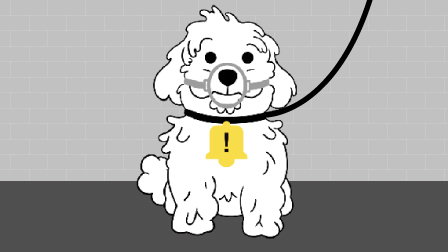
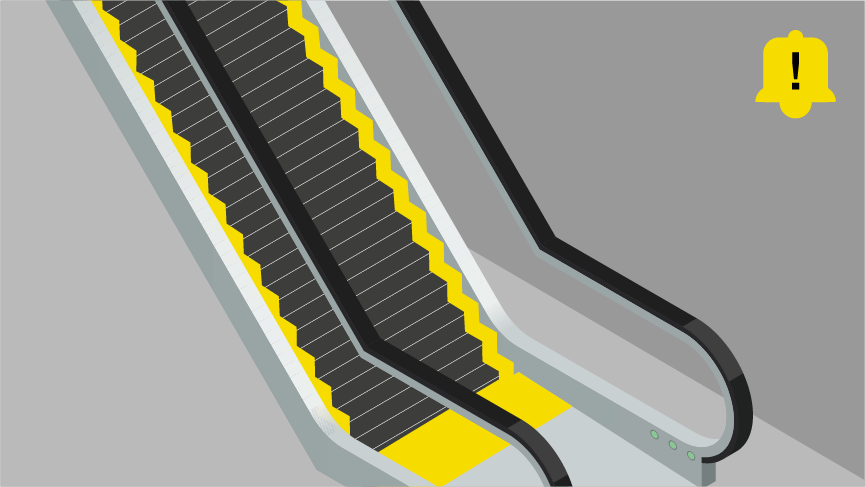
Entrapment incidents on metro escalators often happen accidentally when the yellow step area is invaded. Items such as users’ own footwear or clothing can get caught, but there are also other types of accidents that can be very serious and result from improper use of the facilities. Actions such as using the escalators with dogs not being carried are strictly prohibited. Entering with large objects such as suitcases, baby strollers, or shopping carts that invade the marked yellow area can obstruct the escalator mechanism and increase the risk not only of entrapment but also of falls.
It’s important to follow the basic rules and, before stepping onto the escalator, make sure you're not carrying anything that could get caught in the sides or corners of the steps—such as large bags, belts, bulky clothing, long dresses or robes, scarves, and similar items. And if you’re with your dog, remember: use the stone stairs—not just for your safety, but for your pet’s safety too.